
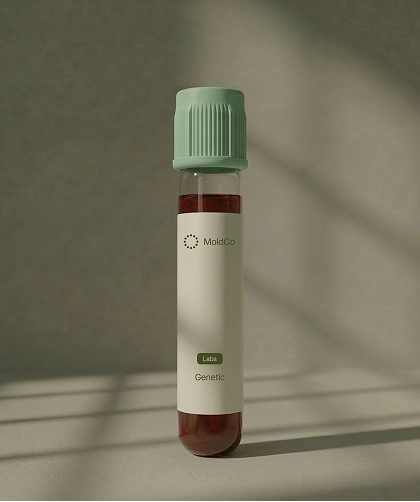
The easiest and most affordable way to find out if mold could be causing you issues.
The easiest and most affordable way to find out if mold could be causing you issues.
Understand your body's risk
Take the HLA-DR blood test to see if your genes make you more prone to mold toxicity.
- See if you're in the susceptible ~24%
- Learn why symptoms linger after exposure
- Only test your genes once
What we test:
Quick lab visit
$224
Genetic Risk Test
HLA-DR/DQ blood test


Built and reviewed by the top experts in mold illness, Dr. Shoemaker and Dr. McMahon.
Money-back guarantee
If you haven't completed your blood draw, just reach out and we'll refund you.
40+
specialized clinics and coaches use MoldCo for testing
- A Labcorp requisition for the HLA-DR/DQ genetic test.
- A local Labcorp blood draw on your schedule.
- Detailed results that show whether you carry mold-susceptibility genes.
- Clear explanations and expert guidance on what the result means for treatment.
Built and reviewed by the experts who defined mold illness care

Dr. Ritchie Shoemaker
Creator of the Shoemaker protocol

Dr. Scott McMahon
2,000+ patients treated
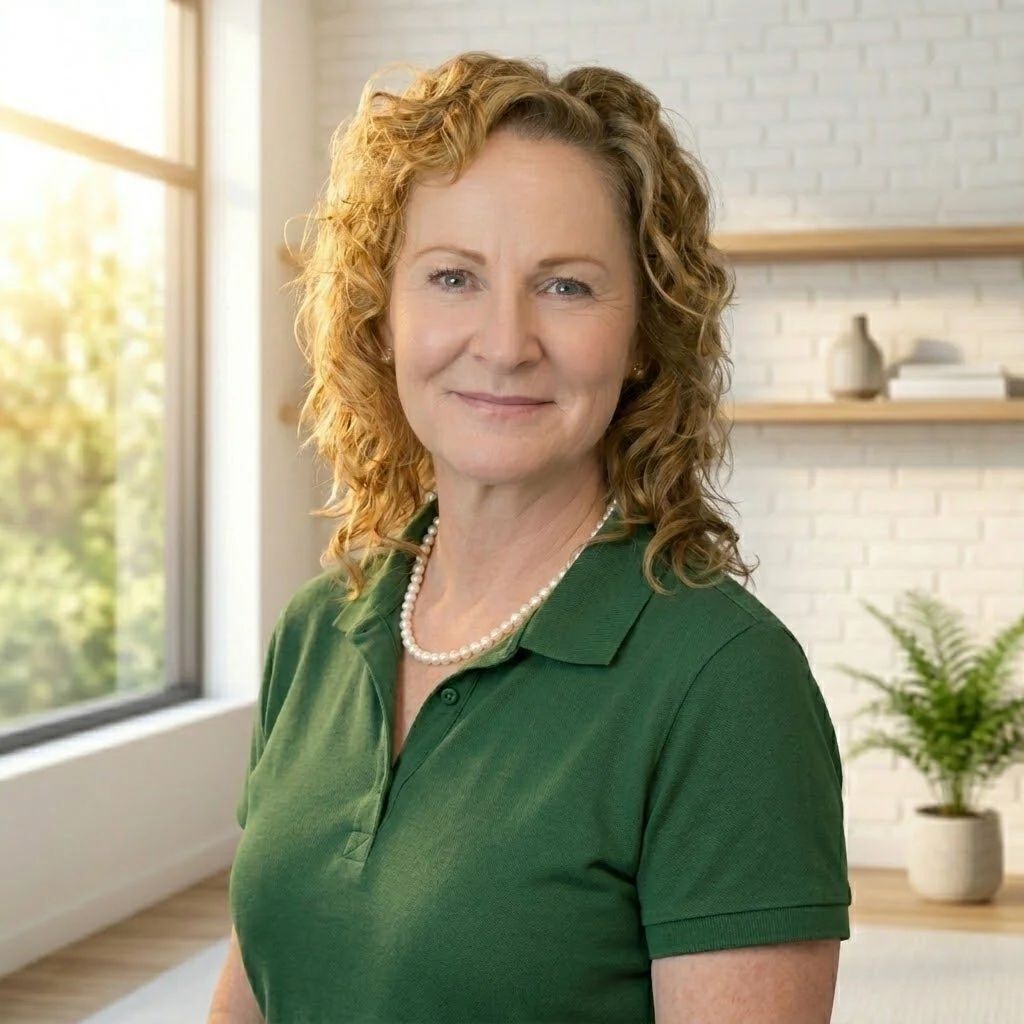
Dr. Margaret DiTulio, DNP, APRN, MBA
12+ years experience in mold illness
As seen in core publications





What it measures
- HLA-DR/DQ gene variants.
- How well your immune system can recognize and clear mold toxins.
- Whether you are among the ~24% of people genetically susceptible to mold-related illness.
Why it matters
The result can help explain why the same water-damaged building affects people differently. If you carry mold-susceptibility variants, the next question is usually whether your current symptoms and biomarkers fit the same pattern.
Availability
We make it easy to test
- 01
Order your test
Choose your test and place your order online
- 02
Visit a local Labcorp
Schedule a simple lab draw at over 2000+ certified labs

- 03
Receive your results
Get clear explanations and personalized next steps

Used by people just like you
Before you order
These answers keep the HLA result in the right lane: susceptibility context, not a standalone diagnosis.
Does HLA-DR mean I will get sick from mold?
No. It helps explain susceptibility, not certainty. Exposure level, health history, and total clinical context still matter.
Do I need to repeat HLA testing?
No. HLA type is genetic context and does not change over time.
Add the genetic piece once
Use the result as durable context alongside exposure history, symptoms, blood markers, and provider guidance.
Find out my riskDisclaimer
The results of this lab panel are for information purposes only and do not include clinician oversight, and should not be used to make a diagnosis, recommend treatment options or health claim without consulting your licensed healthcare providers. The information and guidance provided herein is not a substitute for professional medical advice, diagnosis, or treatment. Any health-related claims made on or in this package, or on MoldCo's website have not been evaluated by the Food and Drug Administration (FDA). MoldCo assumes no responsibility or liability for any errors or omissions in the content of the references nor for any actions taken in reliance thereon. The biological analytes and clinical symptoms discussed on this page are not specific to any disease or other medical entity, including Mold Toxicity. The purpose of this panel is to obtain measurements of blood biomarkers associated with Mold Toxicity or CIRS, as described in the medical and scientific literature, and which reflect clinical practice by certain mold-certified clinicians. You should discuss any lab results with your licensed health care practitioner or primary care physician. Any educational and informational information provided with lab results is focused solely on Mold Toxicity and does not include education on abnormal results for other medical conditions.
MoldCo is a healthcare technology company and not a laboratory or medical provider. All laboratory and medical services are provided by independent third parties. These laboratory and medical service providers set their own pricing. Although MoldCo may facilitate easy access to certain laboratory and medical service providers on your behalf, MoldCo does not recommend or refer you to any healthcare providers, and you are free to choose any healthcare provider and to continue to use MoldCo's services. MoldCo does not offer medical advice, laboratory services, a diagnosis, or any form of medical opinion, through our services or otherwise. MoldCo's pricing includes technology and service fees charged by MoldCo, as well as access to limited prepaid laboratory and other services provided by third parties, and paid to such third parties on your behalf. Itemization of all fees is available upon request. For other important information regarding the services provided by MoldCo, please see the terms of service.
Please refer to our Legal section for further details, disclaimers, and MoldCo's Terms and Services.